
How to Tell If Your Roof Leak Needs Emergency Roof Repair or Can Wait
A roof leak can appear at any time, but not every leak carries the same urgency. Knowing the difference between a situation that demands emergency roof repair right now and one that can safely wait may help you prevent thousands of dollars in additional damage. This guide covers the key warning signs, what to do while you wait for a roofer, and the right steps for Lafayette, CA, homeowners after a storm.
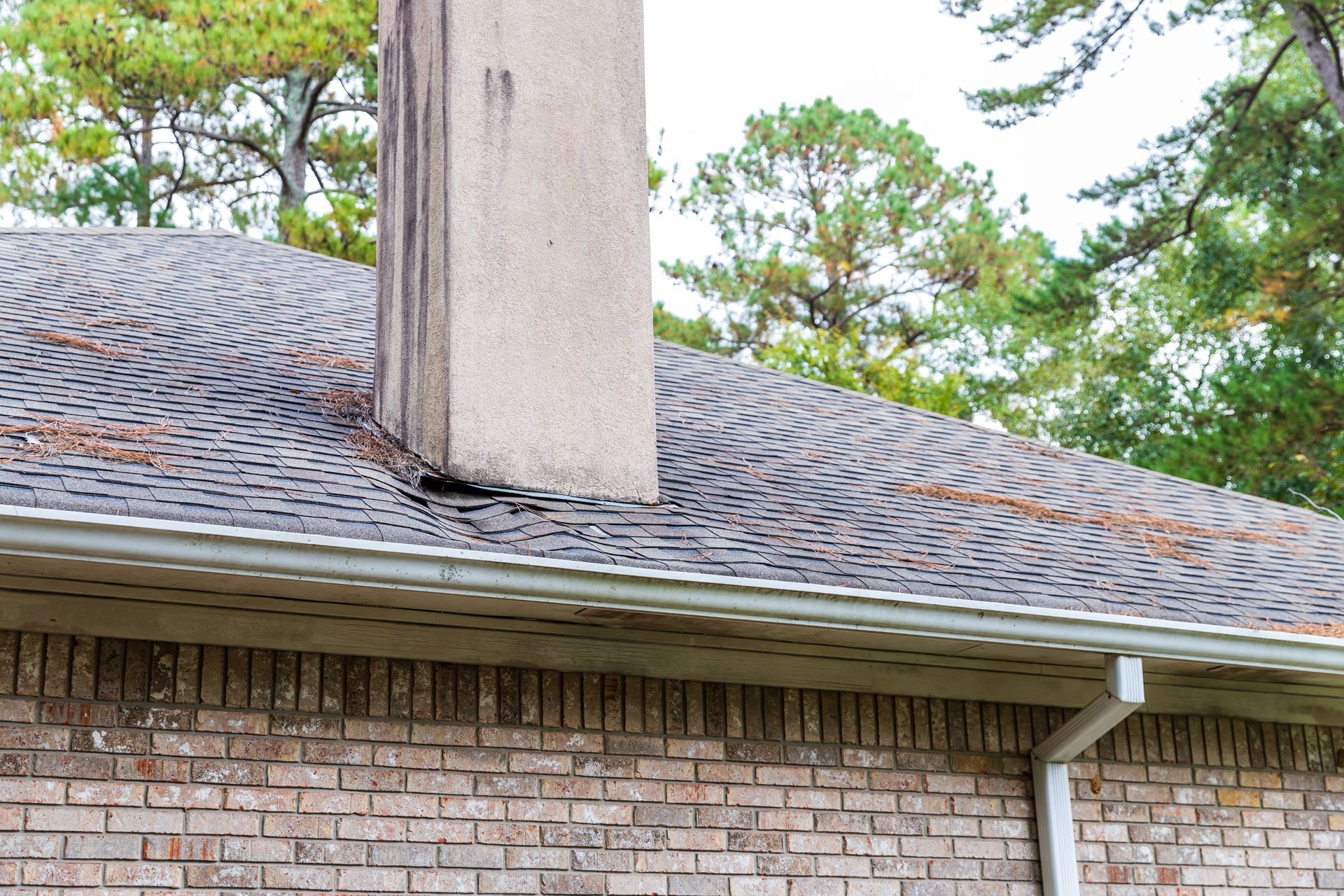
Signs Your Roof Leak Is a True Emergency
Some roof leaks demand immediate attention. If you notice any of the following, call a professional right away for emergency roof repair.
Water actively entering the living space. If water is dripping or streaming through your ceiling, it has already breached multiple protective layers. The longer it flows freely inside, the greater the risk of damage to insulation, drywall, and structural framing.
Sagging or bowing ceiling. A ceiling that bulges downward is often holding pooled water. This is a structural warning sign that can lead to sudden collapse. Clear the room and contact a roofer immediately.
Visible structural damage after a storm. Lafayette sits in Contra Costa County, where atmospheric rivers and high winds can bring heavy rain each winter. If a fallen tree limb or debris has punctured your roof deck, that opening needs emergency roof repair the same day, including tarping or patching, to prevent further water intrusion.
Electrical hazards near the leak. Water near light fixtures, outlets, or wiring creates serious safety risks. Turn off electricity in the affected area until a professional assesses the damage.
Mold or sewage smell. A sudden odor after rain can mean water has been sitting inside a wall or attic cavity. Mold can develop quickly and spread if not addressed promptly.
When Can a Leak Safely Wait?
Not every leak calls for a same-day response. Some situations may allow a short delay without dramatically worsening your situation.
A slow drip in a contained area. If a small drip is hitting a bucket away from walls, electrical fixtures, and HVAC equipment, you may have a brief window to schedule a non-emergency appointment. Monitor it closely.
A dry ceiling stain with no active dripping. Older brown stains that are dry to the touch may indicate a past leak that has since sealed or is not actively worsening. A professional should still inspect it, but same-day service is unlikely to be required.
Minor moisture near a vent or skylight after light rain. This can sometimes wait a short time, but have it assessed before the next storm season.
The key distinction is whether water is actively moving inside your home right now. If it is, do not wait. Delaying emergency roof repair in that scenario significantly raises the risk of structural damage and mold.
What to Do While You Wait for a Roofer
- Move furniture and valuables away from the affected area.
- Place buckets under active drips to capture water.
- Use towels or plastic sheeting to protect flooring and subflooring.
- If you can safely access the attic, locate where water is entering and place a bucket underneath.
- Do not attempt to walk on a wet or storm-damaged roof yourself.
When Is Tarping Necessary?
Tarping is necessary any time an opening in the roof exposes the interior to the elements, including torn-away shingles, a punctured deck, or completely dislodged flashing. A properly secured tarp can protect your home from additional water intrusion until permanent repairs are completed. In Contra Costa County, where winter storms can deliver heavy rain across multiple consecutive days, getting a tarp in place quickly matters.
How to Document Damage for Insurance
- Take wide-angle and close-up photos of all visible damage, including ceiling, attic, and any exterior areas visible from the ground.
- Note the date and time of the storm or event and when you first noticed the leak.
- Save receipts for any emergency supplies such as tarps or buckets.
- Avoid permanent repairs until your insurance adjuster has inspected the damage, unless waiting would cause significantly more harm.
Your insurer may also ask for a professional roofer's inspection report. Request a written assessment from your contractor as early as possible.
Does My Homeowner's Insurance Cover Roof Leaks?
Coverage depends on the cause. Damage from a sudden storm event, such as wind-driven rain or a fallen tree, is typically covered by standard homeowner's policies. Leaks caused by deferred maintenance or gradual wear may not be. Review your policy and contact your insurer promptly after any storm event.
How Long Can I Wait Before a Leak Causes Serious Damage?
Even a slow leak can cause significant problems within 24 to 48 hours. Water can saturate insulation, weaken roof sheathing, and create conditions for mold growth. In Lafayette's wet winters, a single storm can push a manageable drip into a situation requiring full emergency roof repair. When in doubt, have the roof evaluated sooner rather than later.
Get Reliable Local Help for Emergency Roof Repair in Lafayette, CA
When a leak turns into an emergency, fast and qualified help is what protects your home. LFP Roofing serves Lafayette, CA, and surrounding Contra Costa County communities with licensed, bonded, and insured roofing services backed by over 15 years of experience.
Call (510) 302-5928 to speak with someone today, or visit the local roof repair Lafayette, CA, page to learn more about available services. You can also request a free roofing estimate to get a clear picture of what your repair may involve. Find LFP Roofing on Google to read reviews and connect directly.





